Buzzards' Class Story
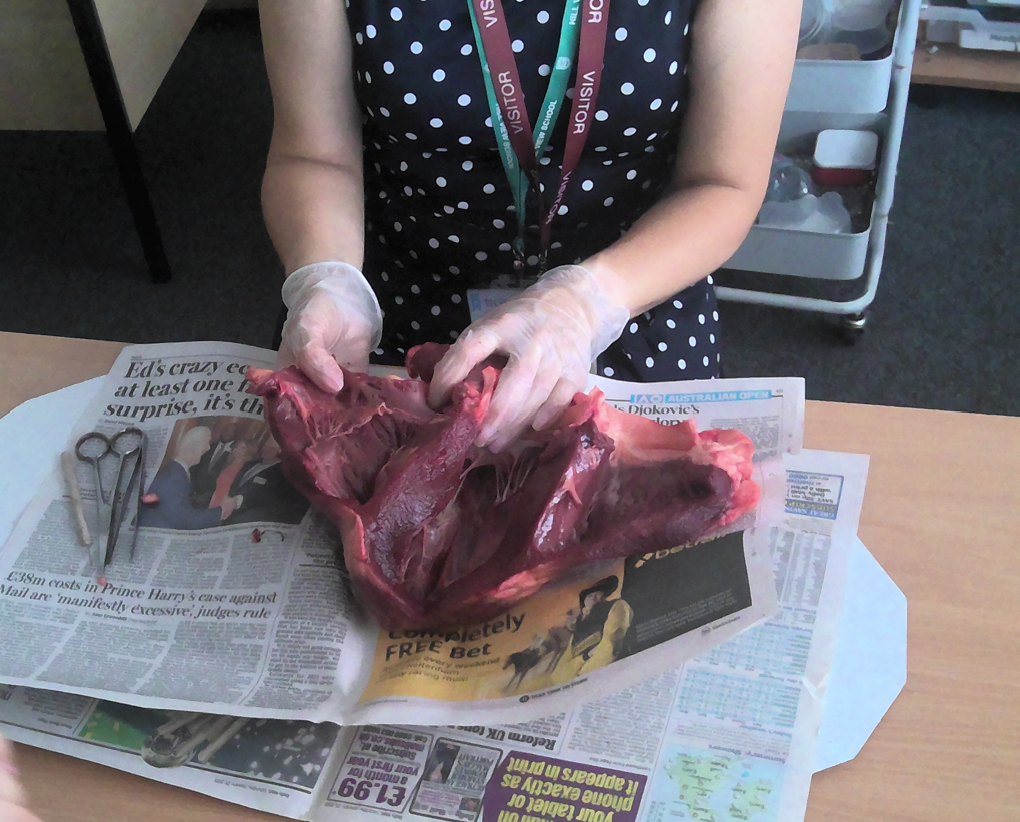
9.07.2026 Heart Dissection
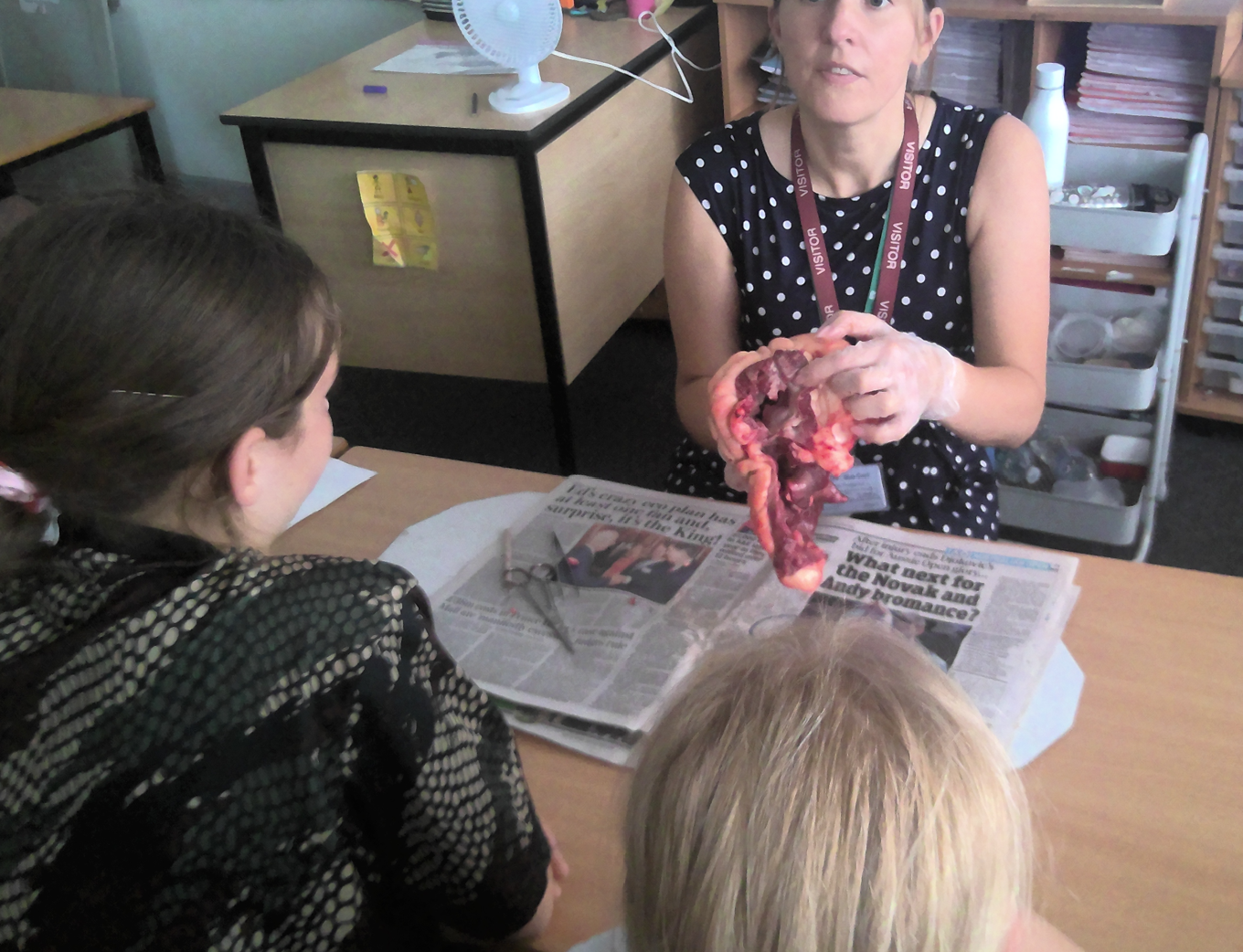
As our fabulous finish this term on: At the Heart of it, our year 5 pupils had an unforgettable science experience this week when we welcomed a secondary school science teacher to lead a fascinating heart dissection workshop.
The children were excited to observe a real heart up close and discover how this incredible organ works. During the session, they explored the different parts of the heart, including the atrium, ventricles, and valves, learning how each plays a vital role in pumping blood around the body. They were also able to identify and explain what makes up the blood, its functions and see first-hand how the structure of the heart supports its important function.
The workshop sparked endless curiosity, with pupils asking thoughtful questions and eagerly taking part in discussions. They were fascinated by the opportunity to see the heart's internal features for themselves, bringing their classroom learning to life in a memorable and engaging way.
It was wonderful to see the children's enthusiasm throughout the session. Their excitement, curiosity, and willingness to investigate made the experience both enjoyable and educational. Experiences like these help to nurture a love of science and encourage our pupils to think like young scientists.
20.04.2026 Creating play scripts
As this terms stunning starter, Year 5 pupils explored the features of play scripts. The session with a piece of text and asked to identify its genre. Through discussion, they recognised that it was a play script and considered its key features.
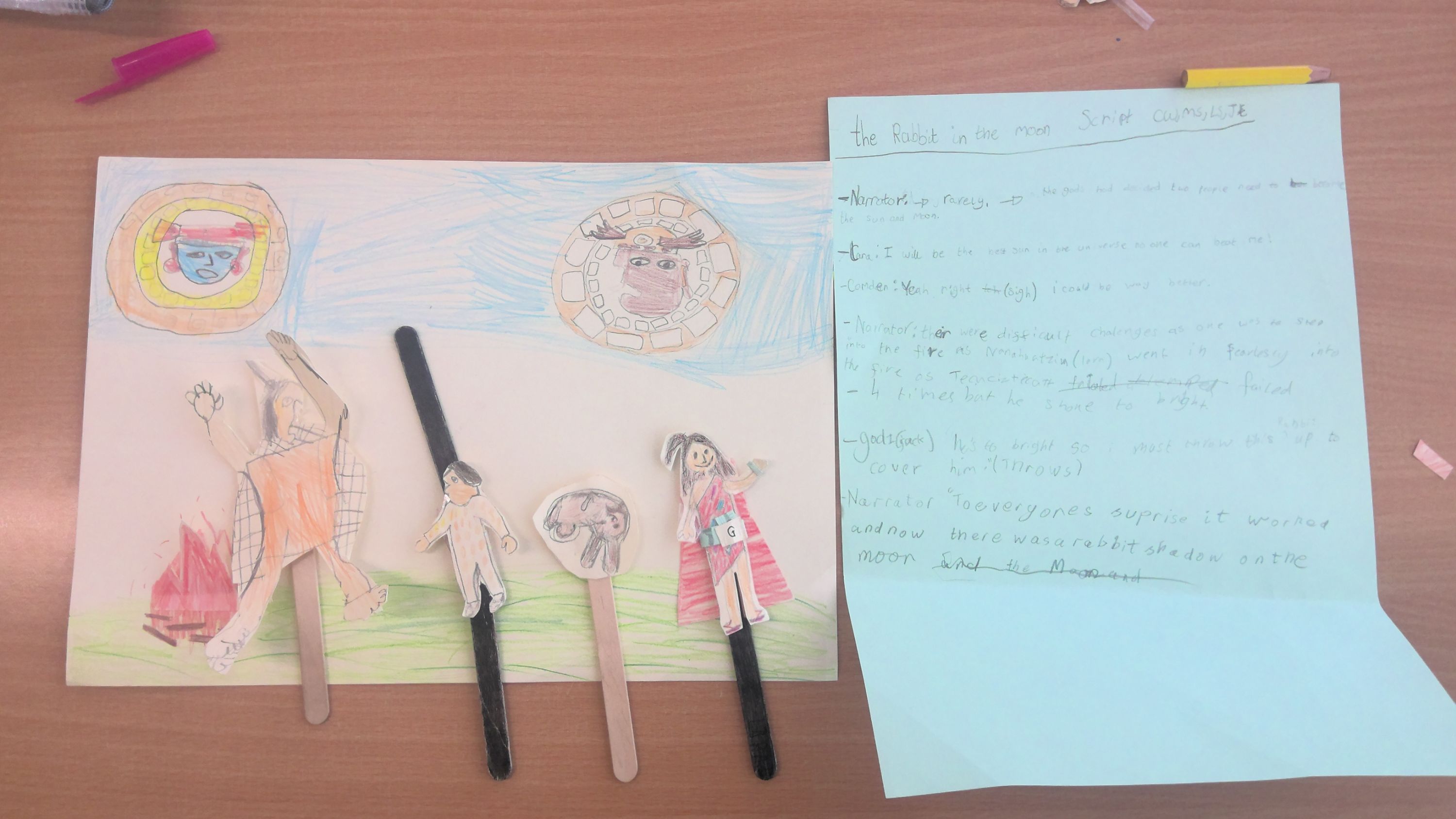
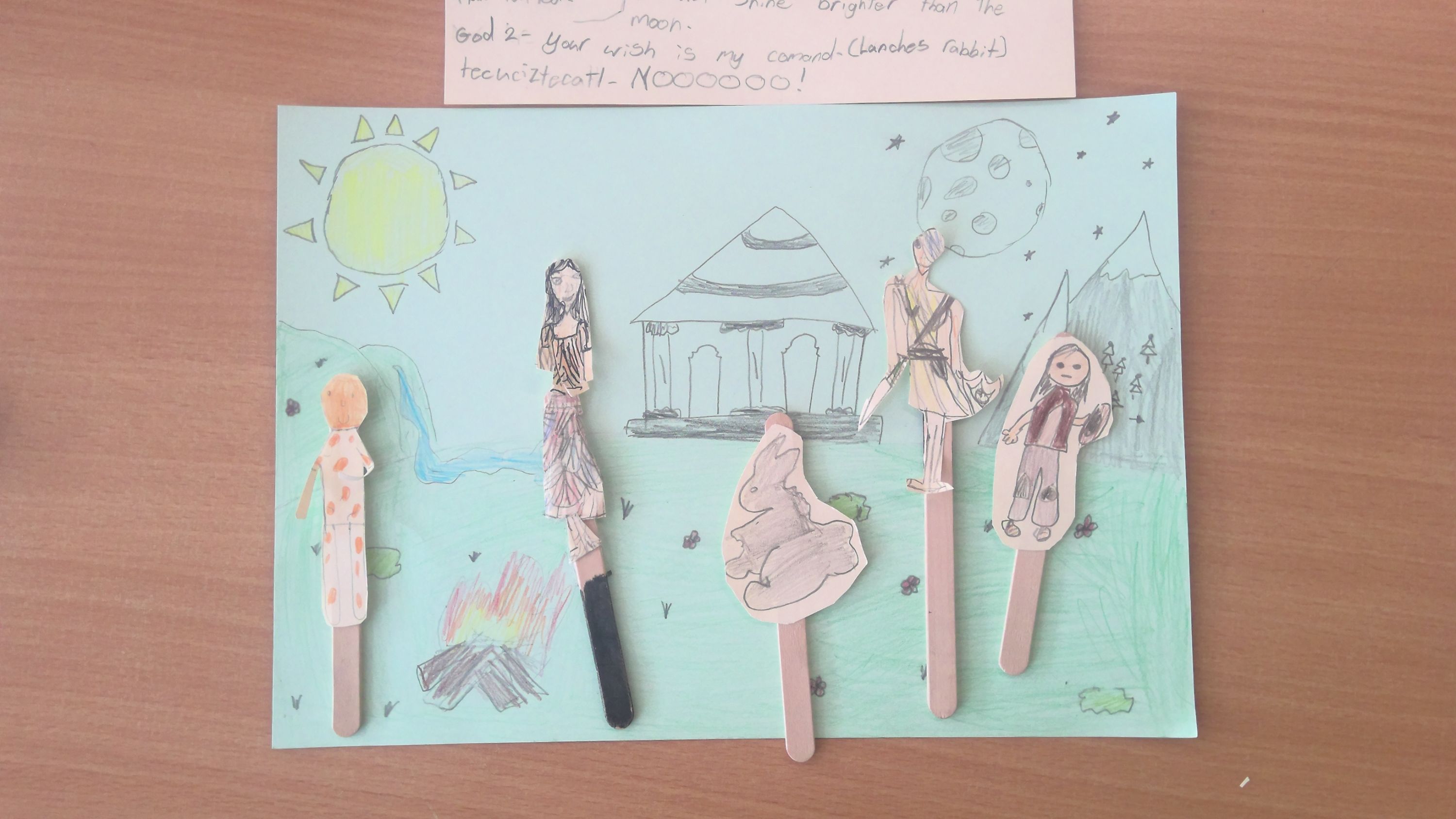
To support their understanding, children looked at photographs of the Moon and discussed why myths were created in the past, particularly to explain natural phenomena. Pupils were introduced to the text The Rabbit in the Moon. Key vocabulary and character names, including Tecuciztecatl and Nanahuatzin, (the sun and moon gods), were practised to ensure accurate pronunciation and understanding.
Working collaboratively in groups, children then planned, wrote and developed their own play scripts based on the myth. They focused on structuring dialogue, organising scenes and preparing for performance. The lesson encouraged creativity, teamwork and speaking and listening skills as pupils prepared to bring their scripts to life using puppets which have come out looking great!
10.03.2026 Artificial Intelligence
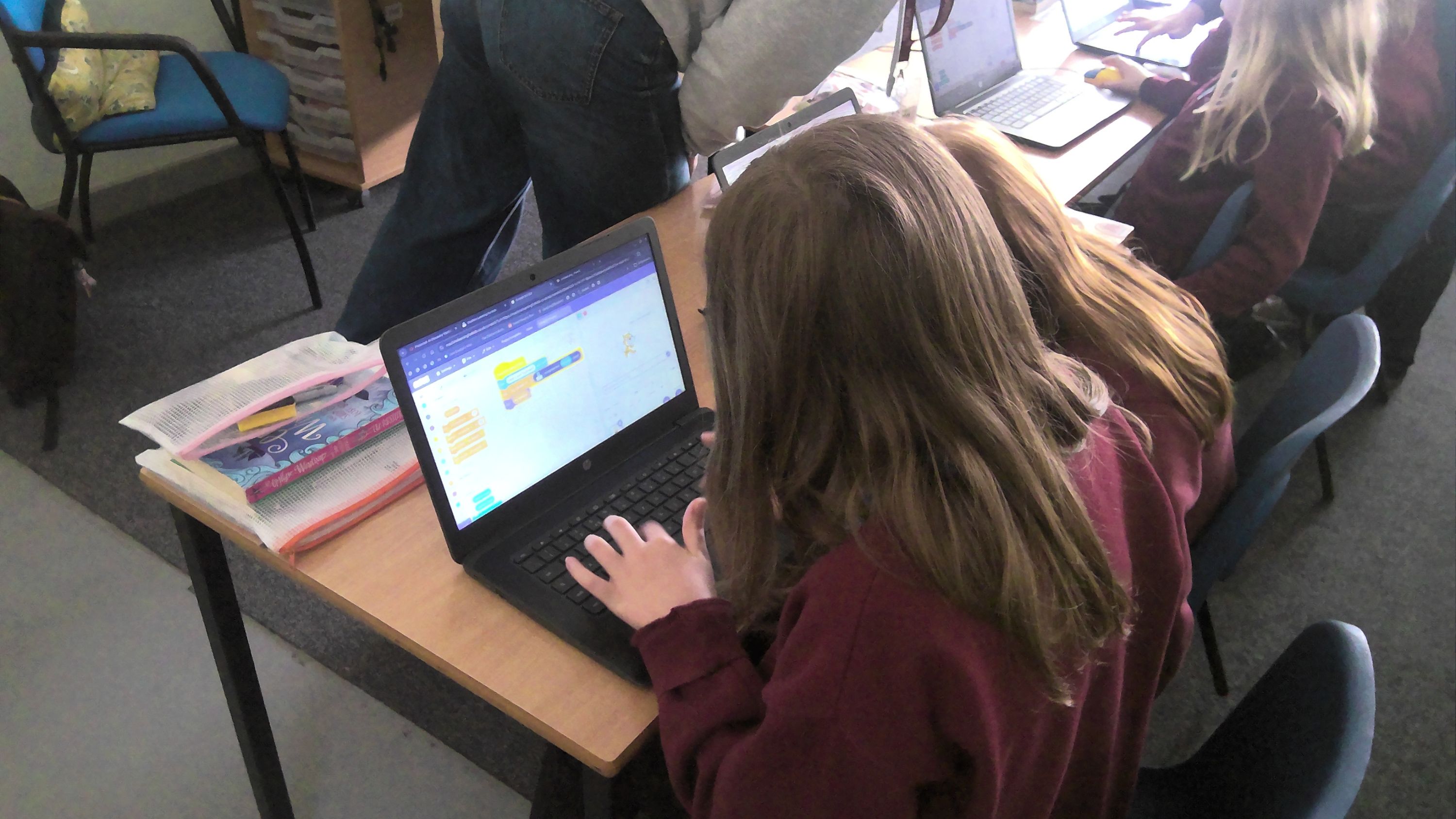
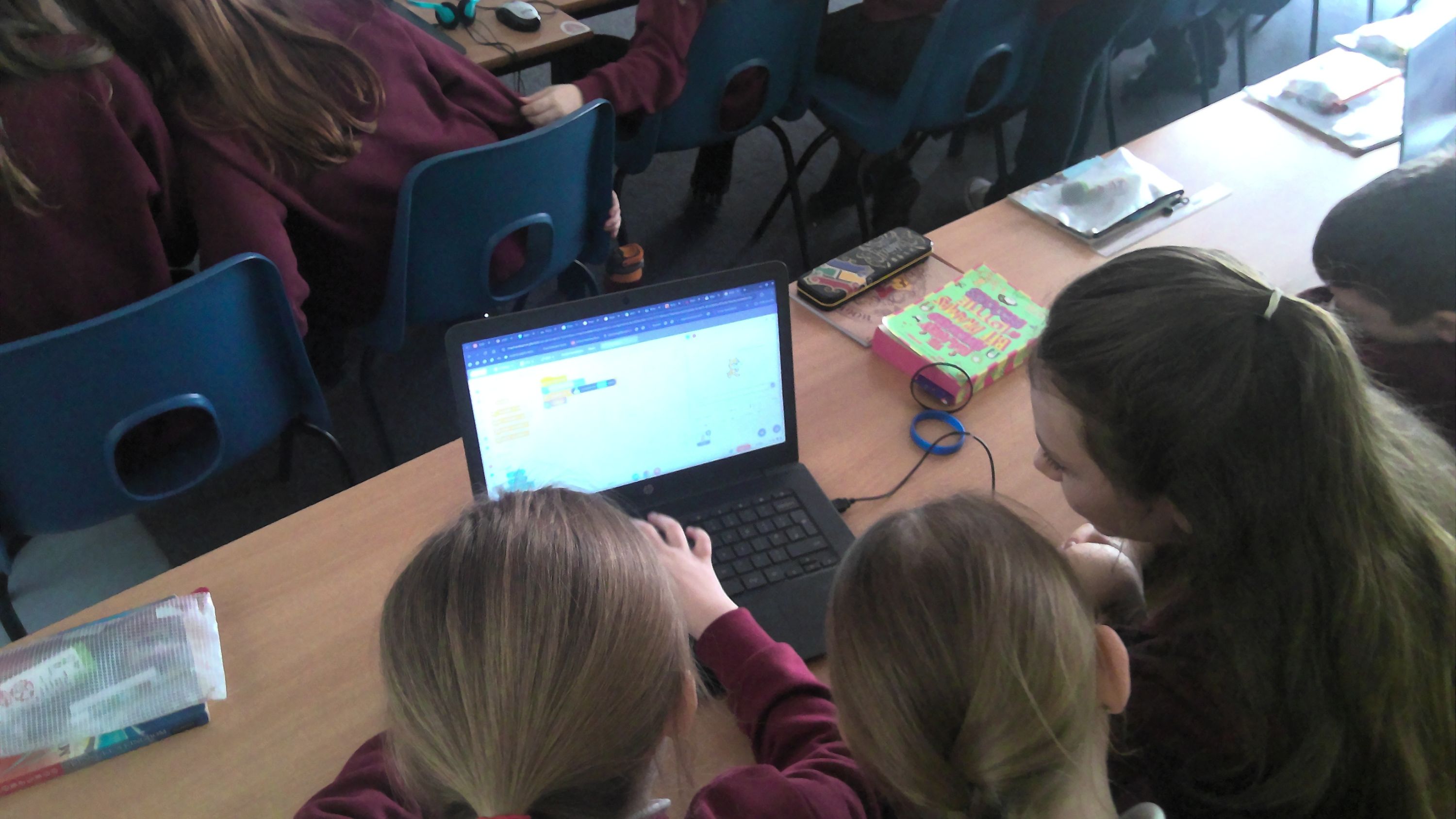
Today, we had an expert in artificial intelligence came into our class to teach us about how AI works and how to recognise when something online might be created by AI. They showed us how to spot deepfakes by looking for unusual movements, mismatched voices, or small visual glitches. We also learnt how AI can be used in positive ways, such as helping people with their learning including our describing skills to generate an image. During the session, we had the chance to try AI tools ourselves, write a small piece of code, and practise having conversations with AI systems. It was an interesting experience that helped us understand both the benefits of AI and the importance of using it responsibly.
11.03.2026 Shackleton
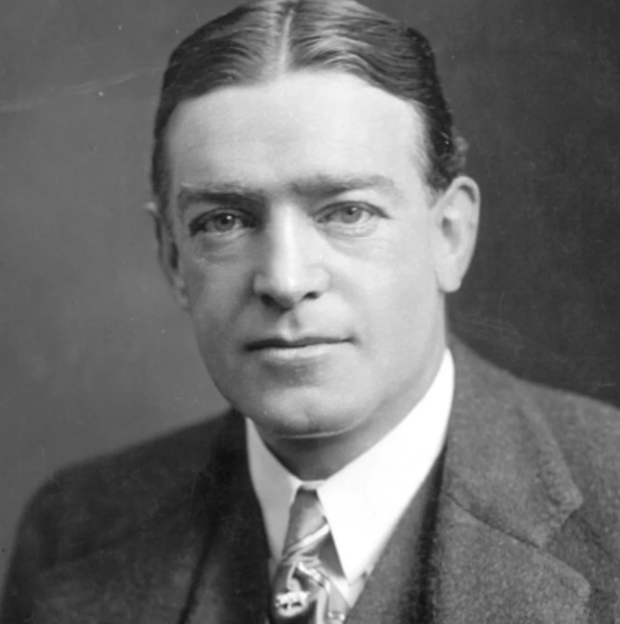
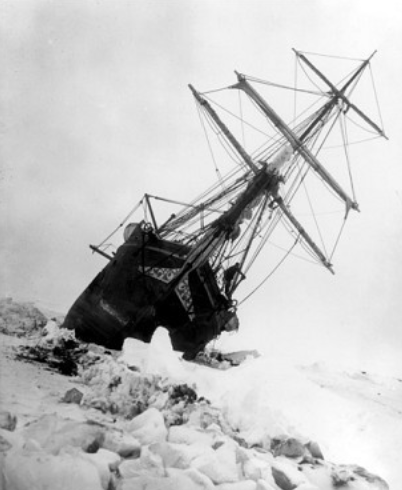
In Year 5, we have been learning about the famous explorer Sir Ernest Shackleton and his incredible journey to Antarctica. We have explored explore who Shackleton was, why he wanted to explore the Antarctic, and the extreme challenges he and his crew will face during the Endurance expedition. We are currently looking at the harsh Antarctic environment, including freezing temperatures, dangerous ice, and long periods of darkness. We have the looked into how these conditions affect the crew and the important leadership qualities Shackleton showed, such as resilience, teamwork, and determination, which will help everyone survive. As part of this topic, we are studying newspaper reports to understand how journalists present information and looking at key features such as headlines, subheadings, quotations, eyewitness accounts, and chronological order and how the language and facts used engage the reader.
12.02.2026 What a waste
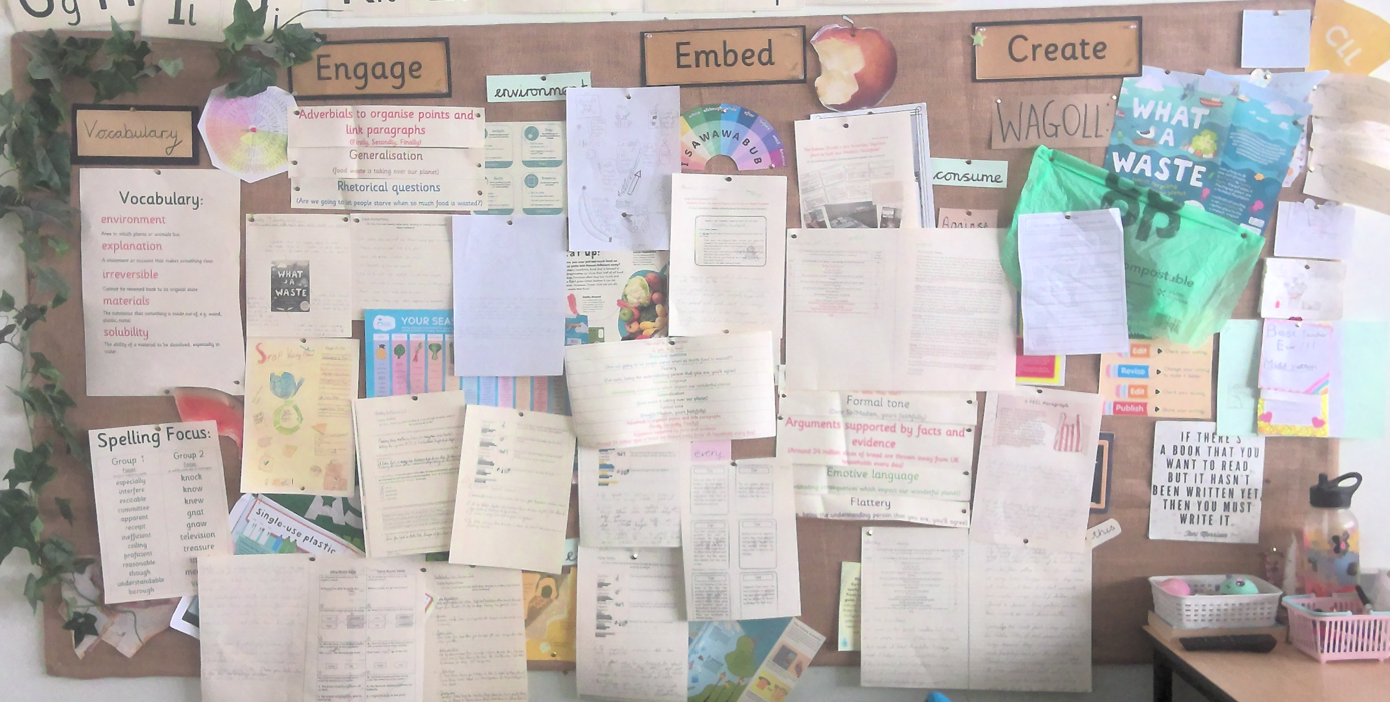
In Year 5, we have been learning about the environment and why it is important to take care of our planet. We focused on waste, where it comes from, and how too much waste can harm animals, oceans, land and people. We compared different types of waste, including plastic, food waste and packaging, and discussed what happens when waste is not recycled properly. We explored ideas such as reduce, reuse and recycle, and talked about how the small choices we make every day can help protect the environment and discussed why waste is a serious environmental problem and why change is needed. As part of our learning, we were visited by Carymoor Environmental Centre, who helped us deepen our understanding of waste and sustainability. During the visit, we learnt what happens to our rubbish after it is thrown away, how landfill sites work, and how we can make more environmentally friendly choices in our everyday lives. We learnt how writers use facts, statistics and emotive language to influence people’s behaviour and practised organising our ideas into clear paragraphs and writing in a way that would inform and persuade others to care for the planet. We then wrote a letter to our local MP, persuading him to do more to protect the environment. We planned, drafted and improved our writing carefully, suggesting practical ways to reduce waste at home and at school, such as recycling more, wasting less food and choosing reusable items... showing how small changes can make a big difference!
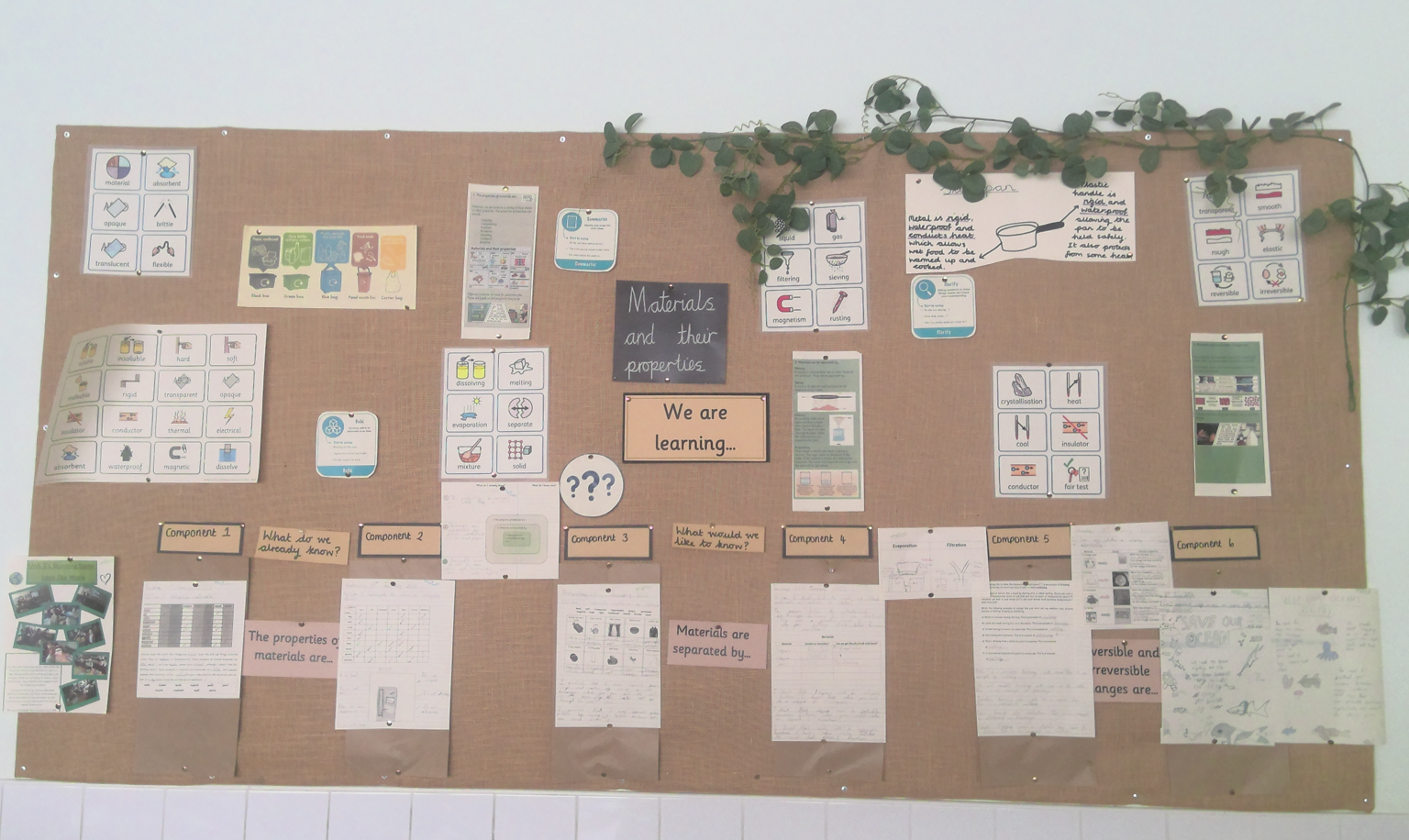
07.02.2026 Materials and their properties
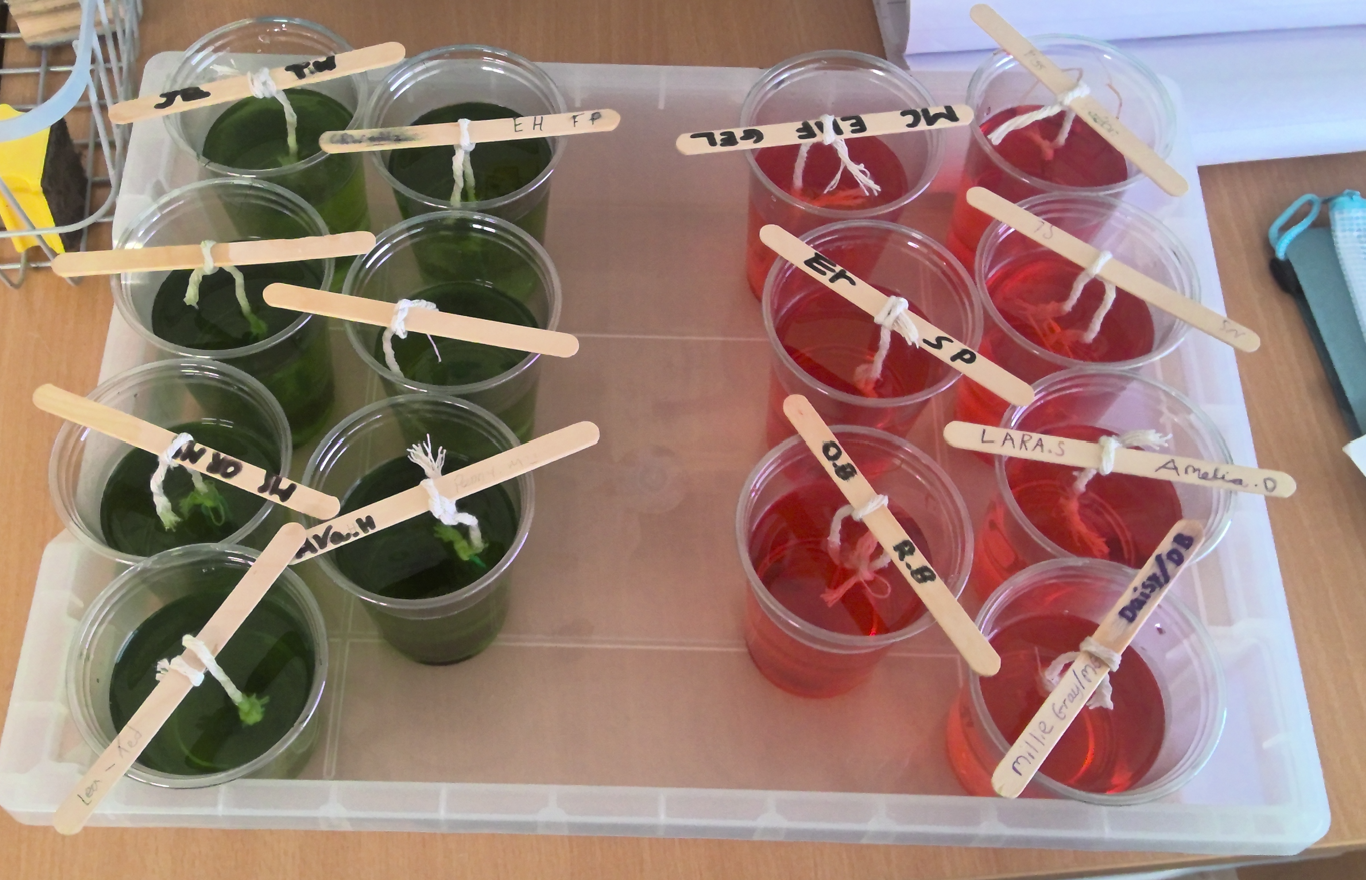
In Year 5, we have been learning about materials and the properties they have. Materials are what objects are made from, such as wood, metal, plastic, glass, fabric and rubber. We discovered that each material has special features that make it useful for different jobs. We learnt about properties like hard, soft, flexible, rigid, waterproof, absorbent, transparent, opaque, magnetic and conductive. For example, we found out that glass is transparent, metal is strong and sometimes magnetic, and fabric can be soft and absorbent. We also explored how materials can be grouped and sorted by their properties. This helped us understand how scientists choose the best material for a purpose, such as using metal for cooking pans or plastic for bottles. During this topic, we investigated ways to separate materials, including filtering, sieving and using magnets. We also looked at how materials can change. Some changes were reversible, like melting and freezing, while others were irreversible, like burning. By the end of our learning, we were able to describe different materials, compare their properties, and explain why certain materials are used for specific objects — just like real scientists!